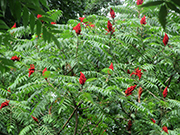
Why insects need trees was the theme of the walk for 16 nature enthusiasts in Dyke Marsh led by arborist Jessica Strother on September 4, 2021. She titled the walk, “Trees and their Insect Friends.”
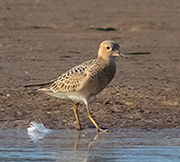
On August 28, Todd Kiraly, Steve Bielamowicz and Sherman Suter saw and reported a buff-breasted sandpiper (Calidris subruficollis) in the Hunting Creek mudflats, just north of Dyke Marsh. This was a first sighting and a record for the George Washington Memorial Parkway (GWMP). This is bird number 294 for GWMP.
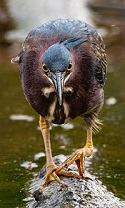
Virginia Wildlife magazine chose the photographs of two talented members of the Friends of Dyke Marsh for the magazine’s annual Photography Showcase, published in the July-August 2021 issue: Barbara Saffir and Jane Gamble. Congratulations!
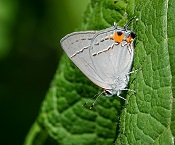
Since 2016, devoted volunteers have surveyed Dyke Marsh for butterflies, dragonflies and damselflies once a month, often observing many other insects and wildlife too. Here are a few examples of 2021 sightings. Thank you, Rusty Moran, for your observations and photographs.
The first photo is the gray hairstreak butterfly (Strymon melinus). As its name suggests, this species of butterfly belongs to a group of butterflies with hairlike markings on the underside of their wings. Fairly common, this species lives in a variety of habitats. Its caterpillars feed on a variety of plants.
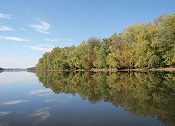
The Potomac River is much cleaner today than it was in 1964 when then U.S. President Lyndon Johnson called it “a national disgrace,” but efforts are still needed to get it to an A grade, Hedrick Belin, President of the Potomac Conservancy, told attendees of a May 26, 2021, Zoom meeting of the Friends of Dyke Marsh. “It is still too polluted for swimming and fishing,” he cautioned.